
Expert Talk: Cybersecurity for Critical Systems and Space Applications in the Age of AI
Mai Abdelhakim
Associate Professor
University of Pittsburgh, USA
Home Page

Bio: Dr. Mai Abdelhakim is an Associate Professor of electrical and computer engineering at the University of Pittsburgh (Pitt), where she teaches courses in cybersecurity, AI, data science, and computer networks. Her research focuses on protecting modern technology, like space networks, power grids, and self-driving cars, from malicious actors and failures. She earned her PhD and completed her postdoctoral training at Michigan State University, then worked as a research scientist in industry before joining Pitt. She is a senior member of the IEEE.
Expert Talk: Quantum Computing, Quantum AI & Post-Quantum Cybersecurity
Hiu Yung Wong
Professor and AMDT Endowed Chair
San Jose State University, USA
Home Page
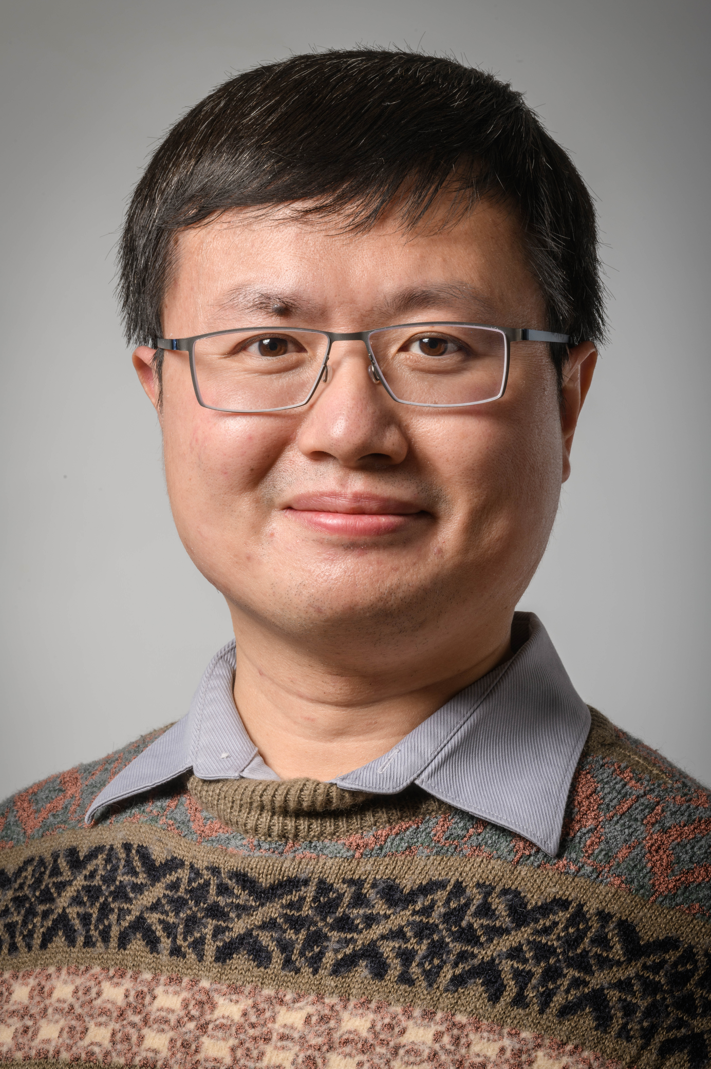
Bio: Hiu Yung Wong is a Professor and AMDT Endowed Chair at San Jose State University. He received his Ph.D. degree in Electrical Engineering and Computer Science from the University of California, Berkeley in 2006. From 2006 to 2009, he was an MTS working on technology integration at Spansion. From 2009 to 2018, he was a TCAD Senior Staff Application Engineer at Synopsys.
He received the 2026 Faculty Award for Excellence in Scholarship award, Industry Sponsored Research Award and ERFA RSCA Award in 2024, the Curtis W. McGraw Research Award from ASEE Engineering Research Council in 2022, the NSF CAREER award and the Newnan Brothers Award for Faculty Excellence in 2021, and the Synopsys Excellence Award in 2010. He is the author of two books, "Introduction to Quantum Computing: From a Layperson to a Programmer in 30 Steps" and "Quantum Computing Architecture and Hardware for Engineers: Step by Step". He is one of the founding faculty members of the Master of Science in Quantum Technology at San Jose State University.
He serves as the editor of the IEEE Electron Device Letters and the IEEE Journal of Electron Devices Society. He is the organizer and technical program committee member in various conferences, such as SISPAD.
His research interests include the application of machine learning in simulation and manufacturing, quantum computing, cryogenic electronics, and wide-bandgap device simulations. His works have produced 2 books, 1 book chapter, more than 140 papers, and 12 patents.
CISE Career Panel: What Is It Like to Be an Engineer or Scientist?
(Nov. 6, 1:00 pm - 1:45 pm)
Moderator
Upal Mahbub
Staff ML Engineer, Multimedia R&D, Qualcomm, USA
Chair, IEEE San Diego Section, USA
Home Page
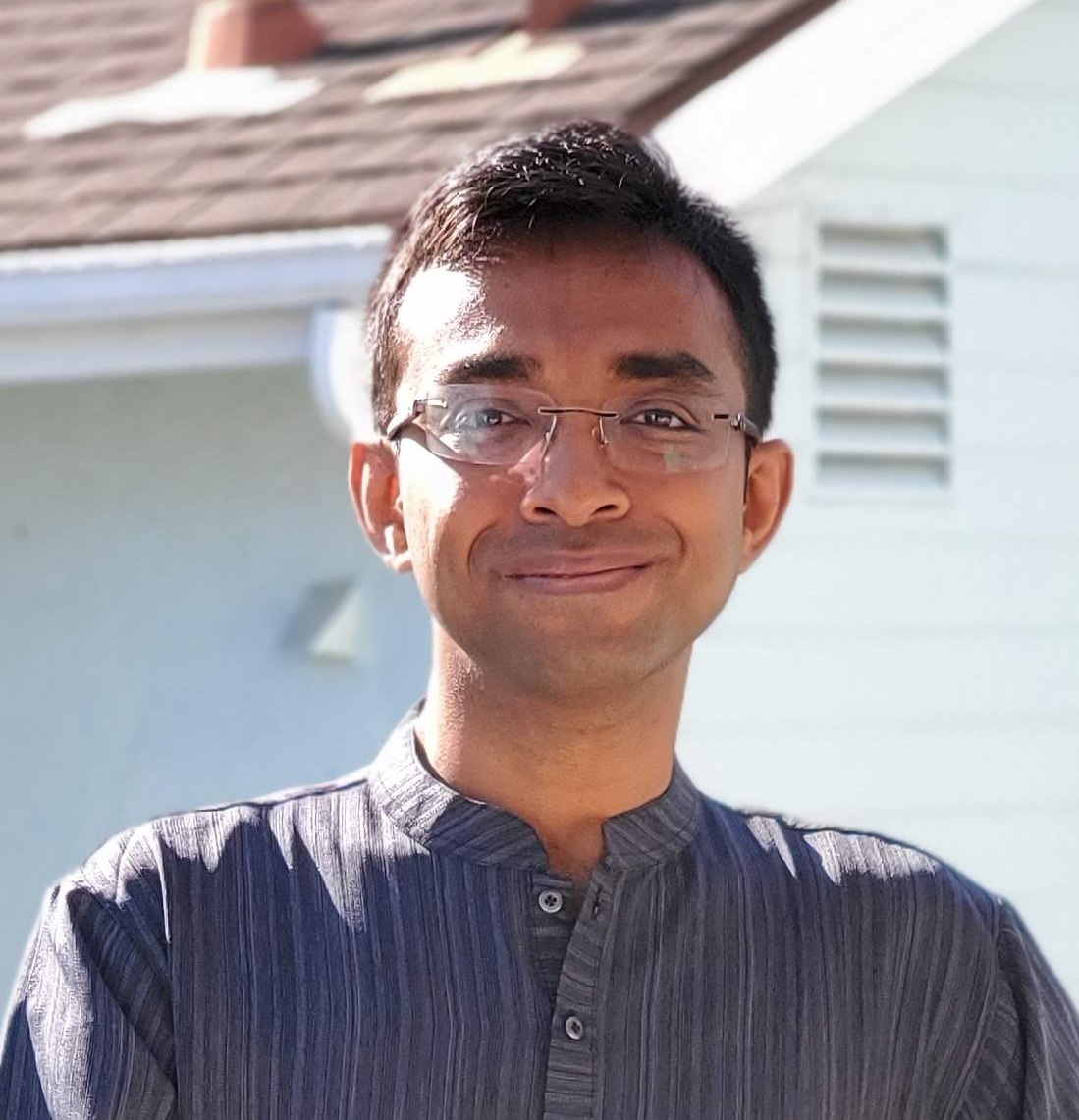
Bio: Upal Mahbub is a Staff Engineer at Qualcomm’s Multimedia R&D Lab in San Diego, developing hardware-efficient computer vision and AI for XR and mobile platforms. He holds a Ph.D., is an IEEE Senior Member, and has authored 40+ peer-reviewed publications and holds 10+ granted U.S. patents. An active IEEE volunteer, he serves as Chair of the IEEE San Diego Section and IEEE Signal Processing Society San Diego Chapter, Vice Chair of the IEEE Computer Society San Diego Chapter, and in several IEEE Computer Society leadership roles spanning volunteer resources, industry collaboration, and scholarships. His recognitions include the IEEE Computer Society 2024 Top 30 Early Career Professionals, University of Maryland Early Career Distinguished Alumni Award, and San Diego County Engineering Council Outstanding Engineering Service Award.
Panelists
Ordered by last name alphabetically.
Sharon Hsiao
Assistant Professor & David Packard Endowed Junior Fellow
Santa Clara University, USA
Home Page
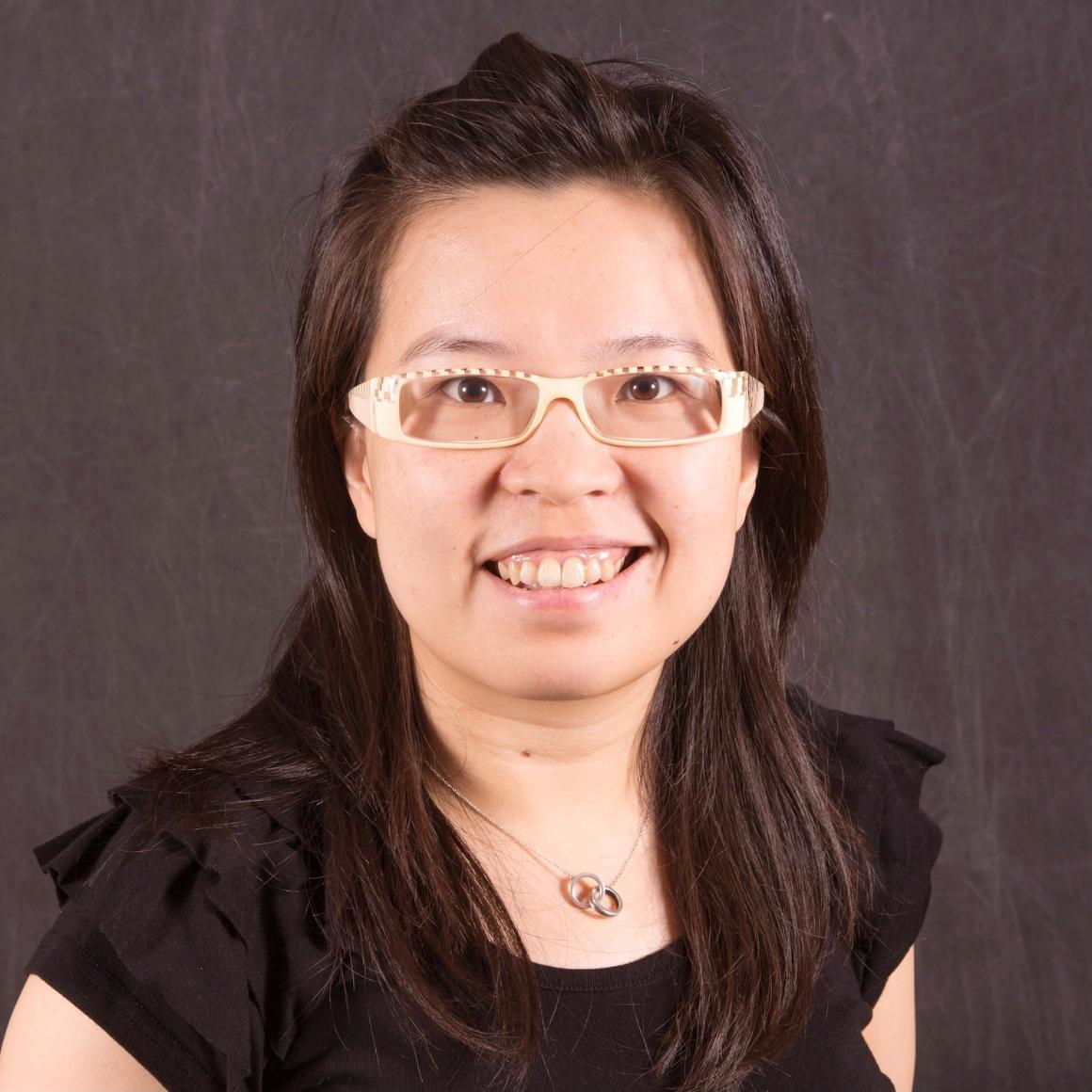
Bio: Sharon Hsiao is an Associate Professor in the Department of Computer Science and Engineering at Santa Clara University. She is an expert in personalized educational technology. Dr. Hsiao has successfully built and evaluated several adaptive educational systems, which are still being actively adopted inside and outside of classrooms nationally and internationally. Her research involves AI and HCI approaches, applied data science, and machine learning techniques in researching effective technology to help people learn. She is one of the board of Directors of International Educational Data Mining Society (IEDMS); general chair for 2019 LAK (International Learning Analytics & Knowledge Conference), program chair for 2021 EDM, and general chair for 2027 EDM (International Educational Data Mining Conference). Dr. Hsiao is also the faculty advisor for ACM-W in the Silicon Valley chapter, ACM-W at SCU.
Prior to joining SCU, Dr. Hsiao was an assistant professor in Arizona State University; postdoctoral researcher in Columbia University; She received her PhD in University of Pittsburgh; Masters in University of London; Bachelor degree from National Central University in Taiwan.
Julian Jarrett
Senior Design and Development Software Engineer, Lutron Electronics, USA
Lecturer, University of Technology, Jamaica
Home Page

Bio: Dr Julian Jarrett is a native of Jamaica currently in the USA as a senior design and development software engineer for Lutron Electronics where he specializes in cloud architecture and software development in major cloud platforms including Microsoft Azure, Amazon AWS, Google Cloud and Heroku.
He completed a Bachelor of Science in Computing and IT (Major Enterprise Computing) at UTech, Jamaica in 2010. He later earned a Master of Science in Software Engineering from Regis University 2013 and a PhD in Computer Science from Drexel University in 2018.
He has been a lecturer in the School of Computing and IT (SCIT) since 2010 and has contributed to several initiatives and curricula in SCIT during his tenure. Some of these include coaching student teams for competitive programming teams, and developing computer programming, machine learning, data science and research curricula.
Dr. Jarrett is an active scholar of research with papers focused on human centered computing, machine learning and distributed software systems. He is also involved in serving the academic community through organizing conferences and reviewing papers for the IEEE Computer Society.
As an entrepreneur he has offered software services driven through the Meet-in-Here and Gospel on Demand digital platforms.
He is married to fellow Jamaican and scholar, Dr. Kimberley Hemmings-Jarrett, an information science and business professor at the Pennsylvania State University with whom he has 2 sons. He enjoys music, spinning music as a disk jockey, live audio engineering and studio production.
Heiko Ludwig
Principal Research Staff Member, IBM Research, USA
Senior Manager of AI Foundations Engineering, IBM Research, USA
Home Page

Bio: Heiko Ludwig is a Principal Research Staff Member and Senior Manager with IBM’s Almaden Research Center in San Jose, CA. Leading the AI Foundations Engineering organization, Heiko is working on topics related to AI and distributed systems. His main focus areas are the AI tool chain, model efficiency and performance.
Throughout his career he was mostly dealing with topics around AI, distributed systems, and security and privacy. This stretches from early work on inductive reasoning, to middleware, performance management, and machine learning, in particular security and privacy, AI compliance, and federated learning.
Heiko is an ACM Distinguished Engineer and published more than 150 refereed papers cited more than 15000 times and holds more than 50 patents. He served as associated and editor-in-chief emeritus of multiple journals and served on numerous program committees of conferences and workshops in the field. He co-organized conferences and served as PC Co-Chair and General Co-Chair on a number of conferences. He serves regularly on PhD and Tenure Committees of leading universities and gives lectures in master and PhD classes on numerous occasions. He also gave a number of keynote speeches at conferences n the field. Heiko served as a project reviewer of EU and US research funding programs.
Prior to the Alamaden Research Center, Heiko held different positions at IBM in different countries. He holds a Master's (Diplom) degree and a PhD in information systems (Wirtschaftsinformatik) from Otto-Friedrich University Bamberg, Germany.
Neha Shaikh
Machine Learning Engineer
Google, USA
Home Page

Bio: Neha Shaikh is an AI/ML Engineer who builds production AI systems and currently works with Google Cloud on AI-powered agents to support Cybersecurity and Risk Management for Google Data Centers. Previously, she was a Machine Learning Engineer at Amazon in Bangalore, India, and served as a research and teaching assistant at San José State University, where she earned her M.S. in Applied Data Science. Her research focuses on making AI agents more reliable.
Paul Swenson
Chief Software Systems Engineer
Vantage Systems Inc., USA
Home Page

Bio: Paul Swenson is a Chief Software Systems Engineer with Vantage Systems Inc., supporting NASA Ground and Mission System projects since 2000, including leadership roles in Ground Systems Engineering, Information Technology/Enterprise Architecture and Cybersecurity. Some of his many programs supported include the NASA Lunar Reconnaissance Orbiter (LRO), Lunar Atmosphere and Dust Environment Experiment (LADEE) and Cislunar Autonomous Positioning System Technology Operations and Navigation Experiment (CAPSTONE) Cislunar missions, the USGS Landsat program, the Laser Communications Relay Demonstration (LCRD) collaboration between NASA and the US Space Force STPSat-6 mission demonstrating optical comm to Geo, and the GMSEC program at NASA which has become the C2MS OMG international standard for open messaging between Ground System components used by many NASA, DoD and OGA satellite missions.
Paul holds a M.S. in Computer Science and a graduate certificate in Systems Engineering from the University of Maryland, Baltimore County, and is a Certified Information System Security Professional.
Hands on Activity: AR/VR Interactive Demonstrations / Hands-On IoT Workshop
Julian Jarrett
Senior Design and Development Software Engineer, Lutron Electronics, USA
Lecturer, University of Technology, Jamaica
Home Page
Bio: Dr Julian Jarrett is a native of Jamaica currently in the USA as a senior design and development software engineer for Lutron Electronics where he specializes in cloud architecture and software development in major cloud platforms including Microsoft Azure, Amazon AWS, Google Cloud and Heroku.
He completed a Bachelor of Science in Computing and IT (Major Enterprise Computing) at UTech, Jamaica in 2010. He later earned a Master of Science in Software Engineering from Regis University 2013 and a PhD in Computer Science from Drexel University in 2018.
He has been a lecturer in the School of Computing and IT (SCIT) since 2010 and has contributed to several initiatives and curricula in SCIT during his tenure. Some of these include coaching student teams for competitive programming teams, and developing computer programming, machine learning, data science and research curricula.
Dr. Jarrett is an active scholar of research with papers focused on human centered computing, machine learning and distributed software systems. He is also involved in serving the academic community through organizing conferences and reviewing papers for the IEEE Computer Society.
As an entrepreneur he has offered software services driven through the Meet-in-Here and Gospel on Demand digital platforms.
He is married to fellow Jamaican and scholar, Dr. Kimberley Hemmings-Jarrett, an information science and business professor at the Pennsylvania State University with whom he has 2 sons. He enjoys music, spinning music as a disk jockey, live audio engineering and studio production.
Kimberley Hemmings-Jarrett
Assistant Teaching Professor
Pennsylvania State University, USA
Home Page

Bio: Dr. Kimberley Hemmings-Jarrett is an Assistant Teaching Professor at Penn State Abington specializing in information systems, human-computer interaction, and digital inclusion. She holds a Ph.D. in Information Science from Drexel University. Her teaching and research emphasize experiential and technology-enhanced learning, incorporating international travel, virtual reality (VR) exploration, and augmented reality (AR) experiences to create immersive, globally connected learning opportunities. Through her Digital Diversity Lab, she explores how emerging technologies can advance accessibility, digital inclusion, and meaningful engagement in education and communities.
Matthew Sulpizio
Graduate Student, IT User Support Specialist
Pennsylvania State University Abington, USA
Home Page

Bio: Matthew Sulpizio is an aspiring cybersecurity professional and a student at Penn State Abington with a strong interest in information technology, network security, and protecting digital systems. Through his academic coursework and hands-on IT experience, he has developed skills in network analysis, cybersecurity tools, and technical problem-solving. He is passionate about expanding his knowledge, connecting with industry professionals, and exploring opportunities to grow in the cybersecurity field.
Expert Talk: AI and Robotics
Vishnu Pendyala
Associate Professor and Academic Senator, San Jose State University, USA
Distinguished Contributor, IEEE Computer Society, USA
Home Page
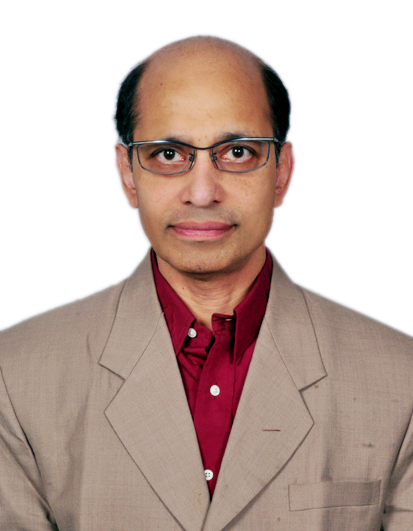
Bio: Vishnu S. Pendyala, PhD, is an Associate Professor in Applied Data Science and an Academic Senator at San Jose State University. He is a Distinguished Contributor and coordinator for Regions 5&6 of the IEEE Computer Society. His research interests are in Explainable, Ethical, and Embodied AI. He served a three-year term as an ACM Distinguished Speaker and has given over 100 talks. He is a senior member of the IEEE and ACM, with over two decades of software industry experience in Silicon Valley. His books including “Veracity of Big Data,” are available in most noted libraries such those of MIT, US Congress, Stanford, etc. He served on US Government’s NSF review panels in 2023 and 2026 and the Canadian government’s Natural Sciences and Engineering Research Council (NSERC) in 2025-2026.
Registration & Details
Grades 9–12 · No experience required.For registration, please use this link or scan the QR code below:

Registration Information: Participation is guaranteed for the first 50 registered students. Additional registrations will be placed on a waiting list. Registration is closing October 31st, 2026. Early registration is strongly encouraged. You can register for the program without a poster and bring the poster the day of the event!
Financial Sponsors





Co-located Conferences
- 📎 The 12th IEEE International Conference on Collaboration and Internet Computing (IEEE CIC 2026)
- 📎 The 8th IEEE International Conference on Cognitive Machine Intelligence (IEEE CogMI 2026)
- 📎 The 8th IEEE International Conference on Trust, Privacy and Security in Intelligent Systems, and Applications (IEEE TPS 2026)
- 📎 The 1st IEEE International Conference on Resilience and Integrated Security for Space and Critical Systems (IEEE RISC 2026)